Since the 1960s
Our Story
A community built where a steam train used to stop. That's not marketing. That's actually what happened.
It Started with Lumber and Steam
In 1917, the Apache Railway laid tracks from Holbrook south to Snowflake, then pushed further to McNary by 1920. It was a lumber railroad. The mills needed a way to get timber out of the mountains, and the mountains needed the work.
James McNary bought the railway and the mill, renamed the whole operation Southwest Forest Industries, and extended the tracks all the way to a spot called Maverick. He ran it from 1935 until he sold it in 1952.
For decades, those tracks were just for freight. Logs going down, supplies coming up. Nobody was riding for fun.
Then Somebody Had an Idea
A guy named Reed Hatch looked at those tracks running through some of the best mountain scenery in Arizona and thought, why not put people on this thing?
He bought two steam engines. Sierra 36 came from the Sierra Nevada. SMV 100 came from California. He hauled them both to McNary and put them on the existing tracks. The passenger coaches he found were built in 1924, originally from the "Katy" line (Missouri, Kansas and Texas Railroad). Old coaches, old engines, new idea.
That's how the White Mountain Scenic Railroad started. Daily departures at 9 in the morning, 22 miles through the pines, climbing from 7,200 feet to 9,300. They'd stop for a "cowboy lunch" at Apache Springs and Big Cienega, then roll back into the station by 3 in the afternoon.
22 miles through the pines, 7,200 to 9,300 feet. They'd stop for a cowboy lunch, then roll back by 3 in the afternoon.
Think about that for a second. A steam train, through national forest, at elevation, with lunch outside. In Arizona. Most people didn't even know Arizona had mountains.
Where the Train Stopped, We Built
As the original tracks wore down, the route shifted. Instead of starting from McNary, the scenic railroad began picking up passengers at a place called Roundhouse Square, right here at Pinetop Lakes.
That's where we are. The property sits on Roundhouse Drive, near the same spot where people used to climb aboard a 1920s-era steam train for a day in the mountains. The name isn't decorative. A roundhouse is the circular building where they serviced locomotives. One sat here.
The railroad stopped running in 1976. The McNary sawmill burned down in '79. By 1982, every mile of track was pulled up. The steam engines got shipped to Heber City, Utah, where they still run today on a tourist line called the Heber Creeper. Some of the old McNary buildings were moved too. The hotel ended up near the corner of Buck Springs Road and Mark Twain, not far from your front door.
Still Here. Still Quiet.
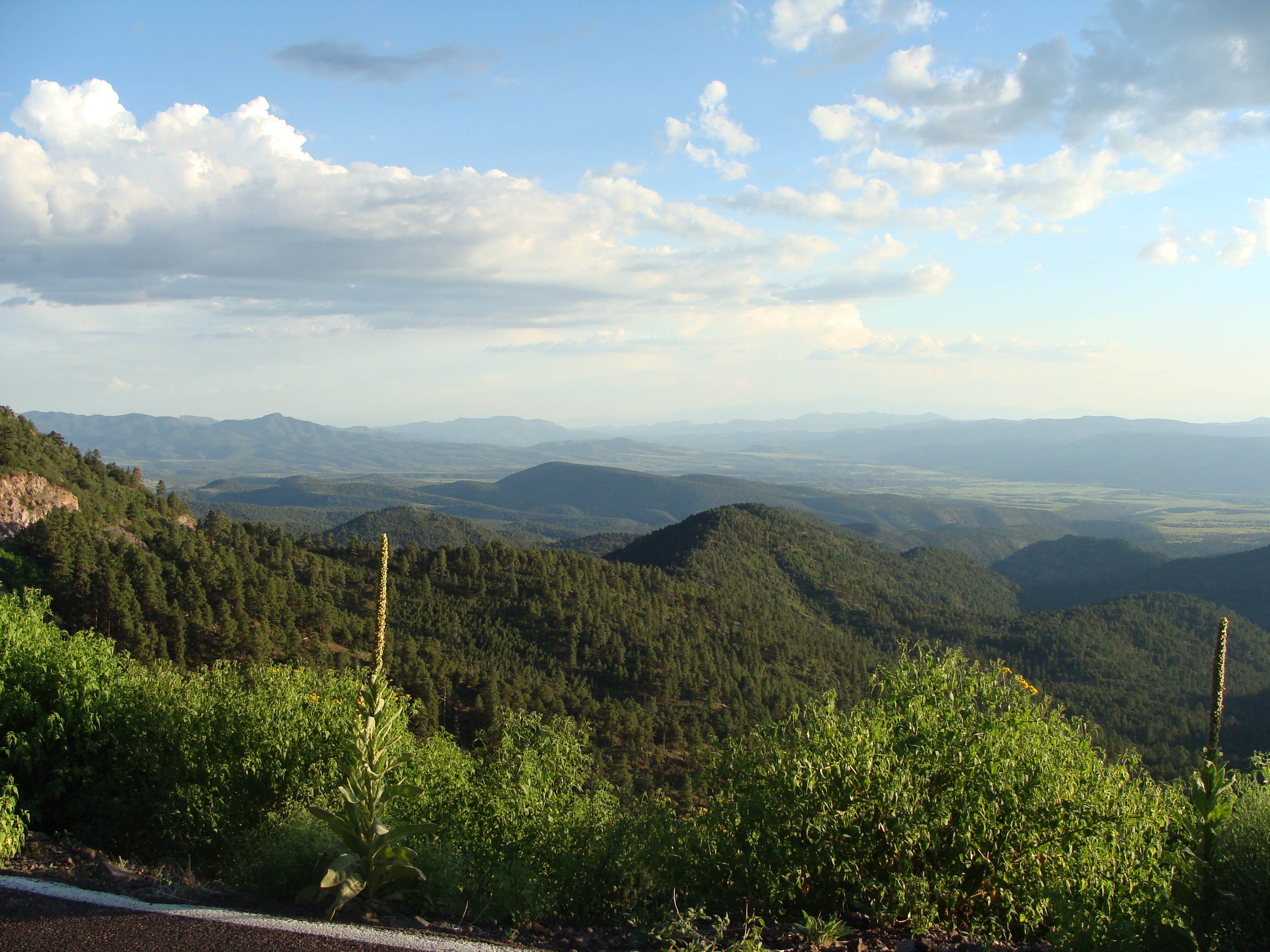
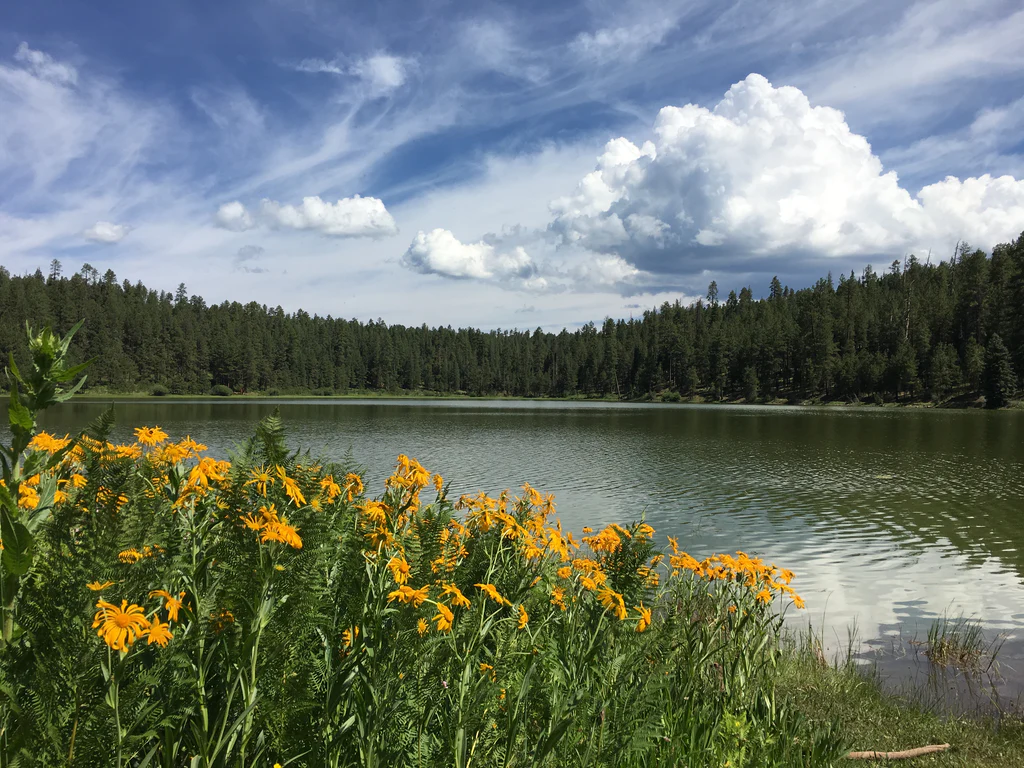
The trains are gone, but the mountains didn't go anywhere. We're still at 7,200 feet, still between two country clubs, still on the edge of the Apache-Sitgreaves National Forest. The ponderosa pines are the same ones the train passengers looked at through those 1924 coach windows.
The property has been hosting families for over 30 years. Some of them are on their third generation now. Their grandparents came up here when the steakhouse down the road (Charlie Clark's, open since 1938) was the only dinner option. Now their kids bring their kids, and they still argue about who gets the unit facing the trees.
We're not trying to be fancy. We've got a heated pool, a hot tub, weight rooms, barbecue pits, a bocce court, horseshoe pit, and two playgrounds. The kind of stuff that means you don't have to get in the car every time someone's bored. But the real reason people come back is the same reason Reed Hatch put a train through here in 1964: the mountains are that good.
You Can Still Walk the Tracks
The rails are gone, but the berms they sat on are still there. About 21 miles of old railroad grade have been turned into hiking and mountain biking trails through the Rails to Trails Program. It's called the Railroad Grade Trail, and you can pick it up at four different trailheads: Big Lake, Sheep's Crossing, Lightning Ridge, and Route 260.
It's a flat, wide trail because it was built for a train, not hikers. Which makes it good for families, bikes, and people who don't want to scramble up a ridge. You're walking the same path the train took, through the same forest, at the same elevation. The views haven't changed.
Railroad Grade Trail
21 miles of old rail bed, now a hiking and biking trail. Four trailheads: Big Lake, Sheep's Crossing, Lightning Ridge, Route 260. Flat and wide (it was built for a locomotive, after all). Part of the national Rails to Trails Program.
From Stays to Leases
We made the call this year. Roundhouse stops booking nightly stays and becomes apartment leasing only. Same property, run differently.
The math made sense once we said it out loud. Pinetop has plenty of weekend cabins, but almost nowhere to actually live full-time with a heated pool, a real gym, and someone in the office who picks up the phone. So we built that, out of what was already here.
What we kept: the heated pool that runs year-round, the hot tub, the gym, the trail system rigth out back. The Apache-Sitgreaves still starts behind the buildings. The miniature train sign still spins. The ponderosa pines are still the same ones from 1964.
What changed: residents sign a lease and get a real mailing address. Units come furnished or unfurnished, so you can show up with a suitcase or bring your own setup. The standard lease is 12 months, with 24-month terms available. Pets are allowed under 50 pounds.
The location is the same one Reed Hatch picked sixty years ago. The trails are the same trails. We just stopped renting nightly and built somewhere people actually live.
Come See for Yourself
The train's gone, but the mountains are still here. So are we, and now you can call it home.
Schedule a Tour